
25/11/2025
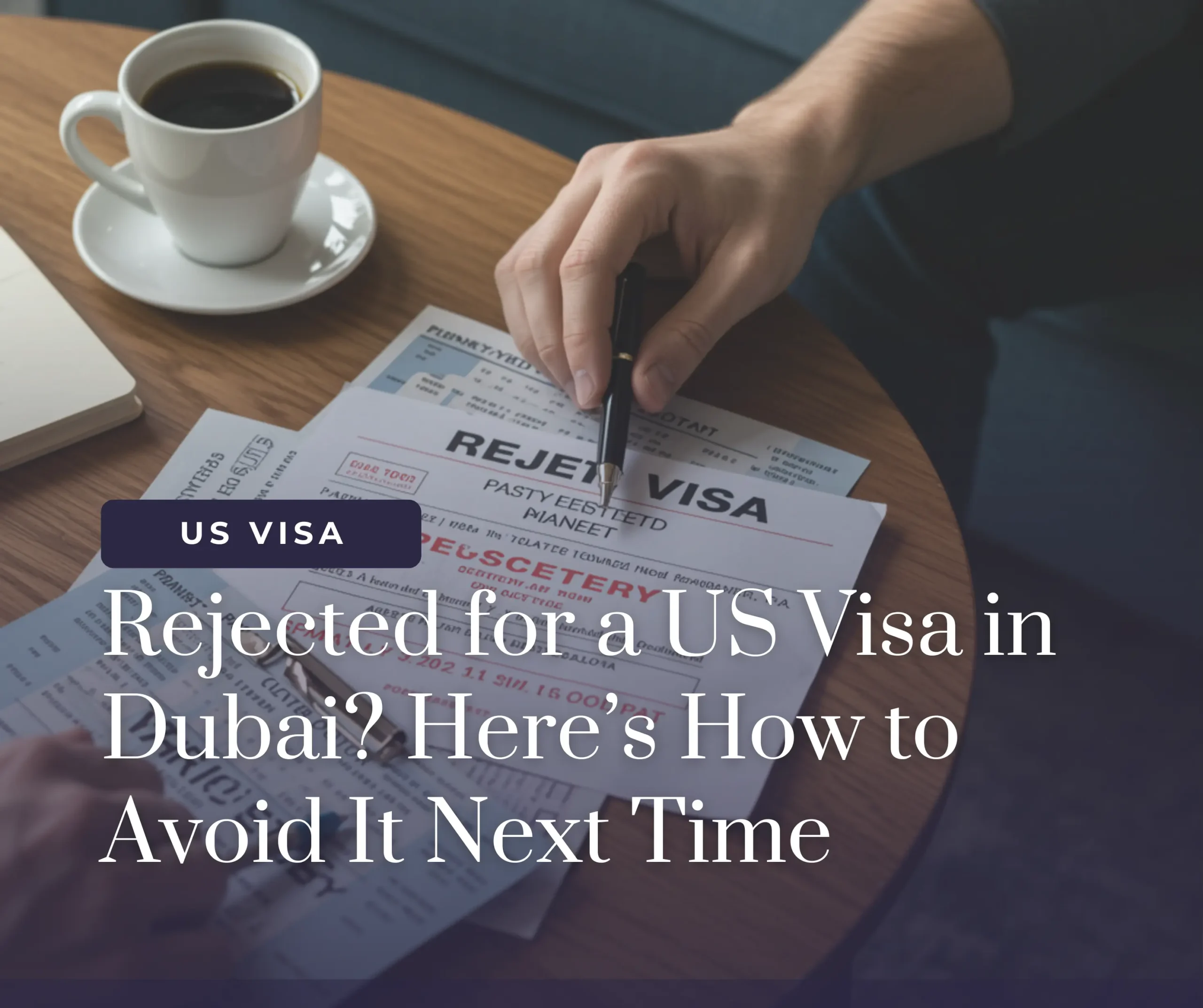
Getting rejected for a US visa can feel discouraging, especially when you believe you did everything correctly. Many applicants in Dubai attend the interview with complete documents, a sincere purpose of travel and what they assume is a strong profile. Yet the officer still refuses the application. If this happened to you, you are not alone. US visa refusals are more common than people think, and they often happen for reasons that are not obvious.
The good news is that a refusal does not define your future chances. Most applicants who get rejected once can be approved the next time if they understand what went wrong and correct it properly. This guide breaks down the real rejection reasons that affect people applying for a US visa from Dubai and explains how to avoid them in a practical, simple and friendly way.
Why US Visa Rejections Happen More Often Than People Think
High global refusal rates show the process is strict
US visa approval is not guaranteed for anyone. Globally, the refusal rate for tourist visas has been high in recent years. This affects applicants everywhere, including those living in Dubai. Even if your profile is strong, the approval still depends on how well your application demonstrates credibility, intent and ties.
Dubai applicants face unique challenges
Dubai is home to a highly diverse expat community. People come from different backgrounds, different income levels and different visa statuses. This makes US visa screening more complex because officers must evaluate whether you are likely to return to Dubai after your trip. Many applicants underestimate how carefully the officer examines stability, financial clarity and long term ties.
The US visa decision is subjective but structured
Officers are trained to make a decision within a very short interview. They compare your spoken answers with your DS-160, assess your confidence and review your travel history. You may have the right documents but still receive a refusal if something does not fully convince the officer.
The Most Common Rejection Reasons for a US Visa from Dubai
These are the real reasons people get rejected, even if they believe they have done everything right.
1. Weak ties to the UAE
The number one reason for rejection is the officer feeling unsure that you will return to Dubai after your US trip. This does not mean your ties are actually weak. It means they were not clearly presented.
Weak ties can appear if:
- You recently changed jobs
- You have short employment history in the UAE
- Your salary does not match your stated lifestyle
- You do not demonstrate strong family or property connections
Many applicants do not realise the officer is looking for stability, not just a job contract.
2. Unclear travel purpose or inconsistent story
Sometimes people get rejected even when their purpose is genuine. The reason is that their explanation was too vague or did not match the DS-160.
Examples of unclear or inconsistent explanations:
- Saying you want to visit multiple states but cannot explain why
- Mentioning tourism but submitting a DS-160 that hints at business meetings
- Giving long, confusing answers instead of short, confident ones
Even small inconsistencies can lead to refusal.
3. Previous long stays in the US or frequent visits
If you have stayed abroad for long periods, especially in the US, the officer may believe you intend to stay again. Even if that was not your intention, the officer may err on the side of caution. This is common and misunderstood by many applicants.
4. Insufficient travel history
Some applicants apply for the US as their very first international destination. While it is possible to get approved, it is more difficult. Officers prefer applicants who have demonstrated responsible travel to other developed countries. If you have no travel history or very little, the officer may not feel confident about approving your visa.
5. Financial concerns or unclear sponsorship
US visa approval is not about showing big bank balances. It is about showing stable, sensible finances that match your job, background and travel purpose.
You may be refused if:
- Your salary appears too low for the planned trip
- Your bank statements show large unexplained deposits
- Your sponsor is unclear or inconsistent with the application
Financial credibility is more important than financial size.
6. Poor interview delivery
This is one of the most overlooked reasons for refusal. Many applicants fail not because of their documents but because of the way they speak during the interview.
Common mistakes include:
- Speaking too fast or too nervously
- Giving long, story-like answers
- Overexplaining out of fear
- Appearing unsure or hesitant
Officers prefer simple, clear answers that match your DS-160.
7. Mistakes or contradictions in the DS-160 form
The DS-160 is the backbone of your application. Any detail that looks inconsistent or incomplete will damage your credibility before you even reach the counter.
Common DS-160 mistakes:
- Incorrect work history
- Wrong dates or mismatched information
- Old or outdated details
- Unexplained gaps
Even if the mistake is small, the officer may consider it a red flag.
8. Previous immigration issues in any country
US officers see global travel patterns. If you have had visa refusals or overstays in other countries, it can influence your US visa outcome. Many people think old issues are not considered, but most are visible.
What You Can Do Differently Next Time
A refusal is not the end of your journey. You can significantly improve your chances by making strategic adjustments.
1. Strengthen your UAE ties clearly
You can do this by:
- Showing longer employment stability
- Highlighting family members who live in the UAE
- Demonstrating residency history
- Presenting proof of commitments that require you to return
The goal is to show that Dubai is your home base.
2. Prepare a clear travel purpose
Your purpose should be:
- Short
- Simple
- Logical
- Easy to verify
Do not create complicated itineraries. Officers appreciate clarity.
3. Fix DS-160 mistakes carefully
Before reapplying, ensure:
- All information is accurate
- All dates match your records
- Your employment details are correct
- Your personal profile looks stable
This single step can dramatically improve your chances.
4. Build a reasonable travel history
If your first application was rejected due to limited travel history, consider visiting Schengen countries or other developed destinations first. It shows you travel responsibly and return on time.
5. Prepare financial proof with clarity
You do not need to present large numbers. You need to present:
- Stable salary
- Normal bank flow
- Clear explanation of sponsorship
Stability matters more than anything else.
6. Practice the interview the right way
Do not memorize answers. Do not sound robotic. Instead:
- Be confident
- Be direct
- Keep answers under 10 seconds
- Stay calm
- Match the tone of the officer
The interview is short. Clarity is your best strategy.
7. Choose the right time to reapply
Some applicants benefit from reapplying immediately. Others need to wait and strengthen their profile first. Understanding which option applies to you can make the difference between approval and another refusal.
They focus on documents instead of intent
Officers care far more about whether they believe you will return than about how many papers you bring.
They assume the officer views them as a tourist
US immigration law requires officers to assume every applicant might stay unless proven otherwise.
They repeat the same strategy after rejection
Using the same answers and same DS-160 usually leads to the same result.
They fix surface issues instead of root causes
A stronger application needs deeper corrections such as clarity, consistency and stability.
When You Should Consider Getting Professional Help
Professional assistance is extremely helpful if:
- You have been rejected more than once
- You do not know what went wrong
- You struggle with DS-160 clarity
- You feel nervous during interviews
- Your travel purpose is complex
- You have previous immigration issues
A visa expert can help you avoid mistakes that applicants do not even realize they are making.
Conclusion
A US visa rejection is not the end of your journey. It is simply feedback. With the right strategy, improved clarity and stronger presentation, most applicants can turn a refusal into an approval on their next attempt. The key is to identify the real reason for the rejection and correct the underlying issue rather than guessing or hoping for a different result.
You deserve a smooth, stress-free and successful application experience. The next attempt can absolutely be the one that gets approve
If you want expert help preparing your next US visa application from Dubai, RAG is ready to support you. RAG has successfully processed more than 5000 US visa applications and understands exactly how to fix rejection issues and strengthen your profile. Contact RAG today to prepare a stronger, more confident and more reliable application for your next US visa attempt.

Best and Affordable Austria Schengen Visit Visa Services Qatar in 2026
Switzerland Visa from Qatar: Step-by-Step Guide

Netherlands Visit Visa from Qatar: Requirements, Process and What Causes Rejections

How Much Bank Balance Is Required for a Cyprus Visa?

Vietnam Visa for Qataris 2026: e-Visa, Fees and How to Apply
How to Get a Russian Visa from Dubai in 2026: Complete Guide for UAE Residents

Schengen Visa Rejection Reasons: Top Mistakes and How to Avoid Them
A Complete Guide to Securing Your US Visa Appointment from Dubai
Qatar to Malta Visa Requirements 2026
How to Apply for a Japan Visa from Dubai Without Rejection
Azerbaijan Visa Guide for Qatar Residents: E-Visa and Easy Application Process
Saudi Arabia Visa From Dubai: Complete Guide for UAE Residents in 2026

How to Get an Indian Visa from Qatar in 2026
Singapore 90 Day Visa from Dubai: What It Covers, and How to Apply

What Nobody Tells You Before Hiring a Visa Agency in Qatar

New Zealand Visa from Dubai: The Complete 2026 Guide for UAE Residents

How to Apply for a Schengen Visa from Qatar (2026): What You Actually Need to Know
Rejected for a US Visa in Dubai? Here’s How to Avoid It Next Time 25/11/2025

How to Get a Visa for Canada from Dubai: Everything You Should Know 18/11/2025
